

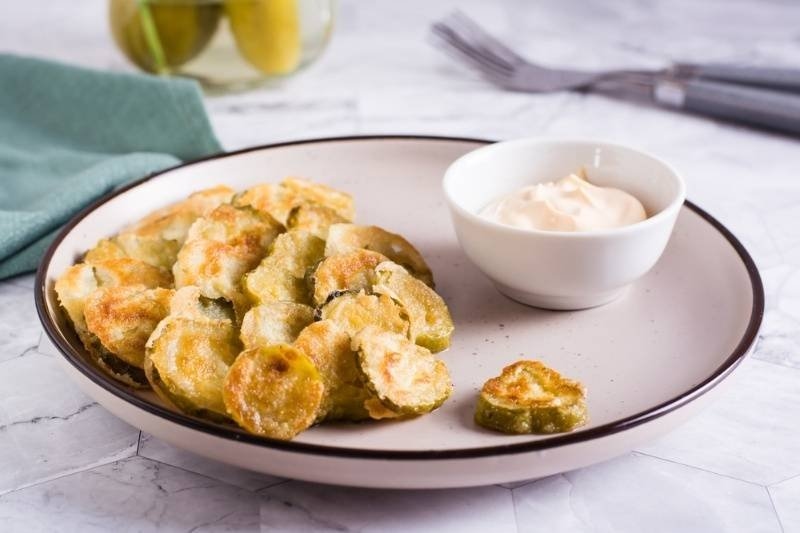
Movie night snacks usually fall into a boring rut of microwaved popcorn and stale bagged pretzels. You open a bag of chips, reach the bottom half an hour into the film, and realize nobody is actually impressed by what is on the table.
Upgrading your couch spread means bringing actual bar-quality crunch into your kitchen. Making a deep fried pickles recipe from scratch sounds intimidating until you realize how simple the setup is. Southern cooks have spent decades turning simple pickled cucumbers into golden, addictive finger foods that disappear faster than standard potato chips.
Greasy takeout boxes ruin movie pacing. You pause the stream to wait for delivery, only to open a cardboard carton full of soggy, lukewarm appetizers that lost their crunch in transit.
Making homemade fried pickles solves the quality gap instantly. Hot oil transforms the briny snap of a pickled cucumber into an intense flavor contrast—salty vinegar interior against a shattered, golden crust. Unlike heavy cheese dips that leave everyone feeling sluggish on the sofa, fried pickles cut through fatigue. The acidity resets your palate between bites. When you set a steaming basket of these on the coffee table next to a bowl of potato chips, the standard snacks get ignored.
Must Read: Find The Best Deep Fryer For Home To Make Crispy Snacks
Success in the fryer starts at the grocery store shelf. Do not grab thin hamburger dill slices—they shrivel into rubbery disks the second they hit hot oil. Look for thick-cut dill pickle chips or whole spears you can slice yourself. Thickness gives the vegetable enough body to survive the fryer while keeping its internal crunch.
Oil selection is just as critical. Avoid olive oil or unrefined oils that smoke and burn at low temperatures. You need a neutral cooking fat with a high smoke point—like peanut oil, canola oil, or standard vegetable oil. Peanut oil is the traditional Southern standard because it fries clean without greasy aftertastes. Keep your candy thermometer strapped to the pot. If your oil temperature drops below 350°F, the breading acts like a sponge and drinks up grease.
Getting breading to stick to a wet pickle requires a structured three-station dredging line. Here is the breakdown for an elite pickle batter recipe that won't slide off in the fryer:
Whisk all-purpose flour with garlic powder and cayenne pepper in your first shallow bowl. This initial dusting absorbs surface moisture so the wet binder actually clings to the pickle skin.
Mix whole buttermilk with two beaten eggs and a heavy splash of vinegar-based hot sauce in bowl two. The acid in the hot sauce tenderizes the coating while adding kick.
Combine equal parts yellow cornmeal and all-purpose flour with a pinch of kosher salt in your third bowl. Cornmeal adds a gritty, mechanical crunch that standard flour cannot replicate.
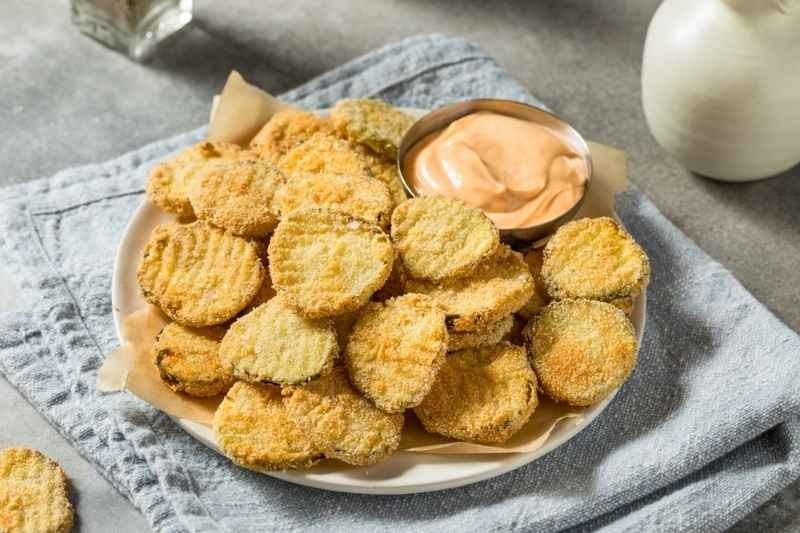
Execution is about speed and temperature control once the oil starts heating. Follow these steps to produce easy fried pickles without making a mess:
Dump your pickle slices onto a double layer of paper towels and press them dry from above. Moisture is the enemy of adhesion.
Toss dried pickles into the seasoned flour, submerge them in the buttermilk wash, and bury them in the cornmeal mix. Shake off any loose clumps before frying.
Drop coated chips into 350°F oil in batches of six to eight. Crowding the pot drops the oil temperature and leads to soggy breading.
Pull the pickles after ninety seconds when they turn deep mahogany. Move them to a wire rack—paper towels trap steam and soften the crust.
Pairing fried pickles with standard movie theater snacks requires mixing up your flavor profiles so your palate doesn't get bored. Try these seven variations to upgrade your next film marathon:
The classic pub standard is made with thick-cut kosher dills, yellow cornmeal, and buttermilk. It pairs naturally with salted kettle potato chips.
Whole dill spears sliced lengthwise and dredged in flour spiked with Creole seasoning. Serve these alongside sweet potato chips to balance the heat.
Bread-and-butter pickle slices coated in Japanese panko crumbs and finely grated Parmesan. This nutty flavor matches up perfectly with black pepper potato chips.
An airy, tempura-style coating made by whisking cold lager into flour and baking powder. Pair this light crunch with thick tortilla chips.
Dill chips tossed in dry ranch seasoning mix before entering the flour dredge. Serve them next to plain corrugated potato chips.
Crispy cornmeal-fried chips drizzled with chili-infused honey right as they leave the fryer. Combine them with sea-salt pita chips for a sweet-and-savory contrast.
A lighter variation sprayed with avocado oil and cooked at 400°F until crispy. These sit well next to baked vegetable chips for an easy movie night spread.
Ditch the microwaved popcorn and upgrade your next movie marathon with a batch of hot, golden snacks made right in your kitchen. Mastering a solid deep-fried pickle recipe takes just a few basic techniques. Dry your dill slices completely, hold your oil at 350°F, and drain every batch on a wire rack. Serve them piping hot alongside your favorite crunchy chips for a snack that steals the whole show.
Remoulade is the absolute champion here. Whisk mayonnaise with Cajun mustard, horseradish, hot sauce, and a splash of pickle juice. If you dislike horseradish, a simple buttermilk ranch dressing spiked with fresh dill works exceptionally well.
Yes—but only for savory foods. Let the peanut oil cool completely, strain it through a fine-mesh sieve lined with cheesecloth to catch burnt flour bits, and store it in a glass jar. Use it within one month for fried chicken or potatoes.
You skipped the paper towel drying step. If pickle juice stays on the skin, the flour cannot grab hold of the vegetable. The steam generated during frying will blow the breading shell right off the pickle.
Do not fry them hours in advance—they will lose their snap. You can bread the pickle chips up to two hours early and store them uncovered on a wire tray in the refrigerator. Drop them into hot oil right as your movie starts.
Dill pickles hold up better because their higher salt content cuts through the rich frying oil. Bread-and-butter pickles contain excess sugar that can burn quickly if your oil temperature spikes over 360°F.
This content was created by AI