

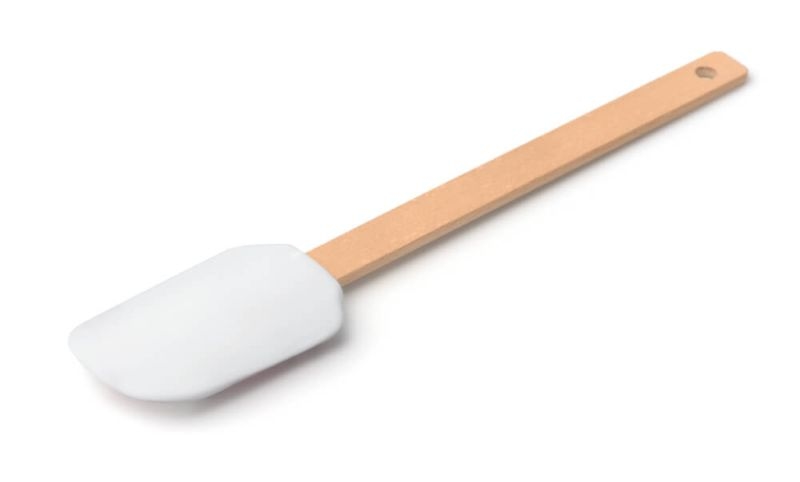
A silicone spatula is one of those kitchen tools that looks simple until the cook reaches for it five times in one recipe. It scrapes the last bit of batter from a bowl, stirs sauce without scratching the pan, folds eggs gently, and spreads frosting when a knife feels too clumsy.
The right one should not feel flimsy. It should bend at the edge, stay firm in the middle, and survive heat without looking tired after a few uses. That small difference is what separates a useful kitchen tool from one that stays forgotten in the drawer.
A good silicone spatula does not belong only to bakers. It is just as helpful for daily cooking. A person can use it for scrambled eggs in the morning, pasta sauce at lunch, brownie batter in the evening, and melted chocolate when someone suddenly wants dessert.
What makes it useful is the balance. It is soft enough for coated cookware but strong enough to handle thick mixtures. It also reaches curved corners better than a spoon, which is why the bowl looks almost clean before washing.
A decent spatula usually has:
Some cooks like a long handle. Others prefer a shorter one for better control. There is no perfect choice for every hand, but the tool should feel natural after a few minutes of use.
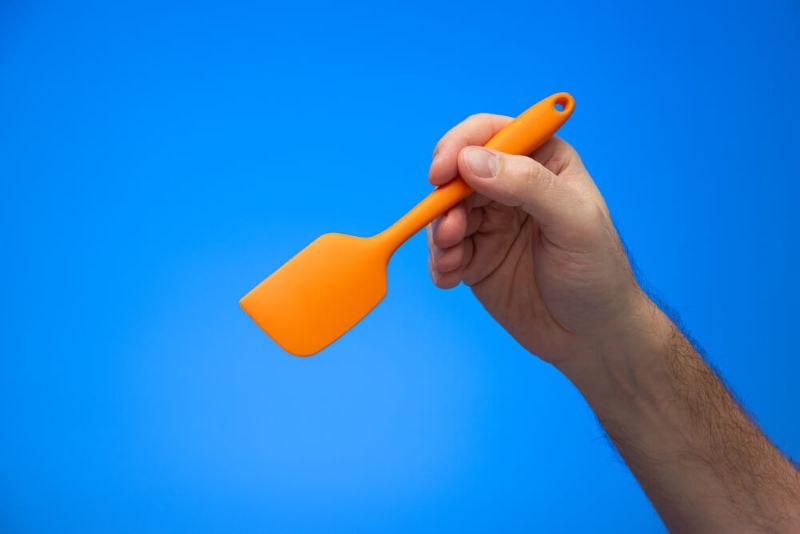
The best heat-resistant spatula should be ready for hot pans, bubbling sauce, and quick stirring without melting at the edge. Many silicone tools can handle high heat, but it is still worth checking the heat rating before buying. Not every bright-colored kitchen tool is built for serious cooking.
For sautéing, stirring caramel, or turning soft eggs, the head should be thick enough to stay stable. If it bends too much, food slips away. If it is too stiff, it misses the corners of the pan.
The best heat-resistant spatula also needs a handle that does not get uncomfortable near heat. Wooden handles feel warm and familiar. Steel handles look clean but may feel slippery. Silicone-covered handles are a convenience in busy home kitchens.
The Silicone vs. rubber spatula argument typically starts when old kitchen tools start to crack, smell funny or warp around heat. Rubber spatulas are still good for cold mixing, frosting and light scraping, but they don’t always like hot pans.
Generally, silicone is the safer choice in the kitchen these days as it withstands heat better and is more durable with frequent washing. It also stays more flexible over time if the quality is good.
Rubber can still be used for cool dips, whipped cream, frosting, or simple bowl scraping. But for stovetop cooking, Silicone vs. rubber spatula becomes easier to answer. Silicone simply gives more freedom because it moves between baking bowls and hot pans without much worry.
Must Read: How to Make Creamy Shrimp Alfredo Pasta for an Easy Dinner
There are many baking spatula uses that sound small until the wrong tool makes the job messy. A flexible spatula can fold whipped cream into mousse, scrape sticky brownie batter, smooth cake frosting, pull dough from a mixing bowl, and clean measuring cups better than a spoon.
Baking often needs a softer touch. Overmixing can make muffins dense. Rough folding can flatten whipped mixtures. A spatula helps because it moves slowly and gently, especially when the edge is thin enough to slide under the mixture.
Common baking spatula uses include:
A small spatula is useful for jars. A medium one works for batter. A wide one feels better for spreading. That is why many cooks end up using more than one.
The best spatula for nonstick pans should protect the surface while still doing real work. Metal tools may scrape the coating, especially when someone is rushing breakfast. Silicone is softer, so it is a better match for eggs, pancakes, fish, and grilled cheese.
The shape matters too. A flat, wide head is good for lifting food. A spoon-shaped head is better for sauce, vegetables, and curry. A narrow spatula works well in small pans where large tools feel awkward.
The best spatula for nonstick pans is often not fancy. It is the one that slides under food, scrapes gently, cleans easily, and does not start peeling after a month.
Before buying, it helps to check:
These things sound minor in the store. They become annoying after regular use.
Read Next: How To Use A Mandoline Slicer Safely At Home?
A flexible scraper spatula is the tool people miss when it is already in the dishwasher. It gets into the corners of bowls, jars, pans, and measuring cups in a way stiff tools cannot. It also helps reduce waste, especially with batter, sauces, chocolate, and nut butter.
The edge should bend just enough to follow the surface. If it folds too easily, it cannot handle thick dough. If it barely bends, it leaves food behind. A good flexible scraper spatula sits in the middle, soft at the edge and firm through the body.
For home cooks, that little bit of flexibility saves time, food, and patience.
Yes, lighter silicone spatulas can pick up stains from tomato sauce, turmeric, chili oil, or deeply colored batters. It does not always mean the tool is dirty. Washing it quickly after use helps. Some people keep a darker spatula for sauces and a lighter one for baking.
That sticky feeling can occur when silicone breaks down, absorbs grease or is washed with heavy residue left behind. And it can happen with lower quality tools too. If it won't come clean with warm soapy water and proper drying, then the spatula likely needs to be replaced.
A spoon spatula is better for stirring, scooping and saucy dishes as it holds a bit of food as it moves through the pan. A flat spatula is better for folding, scraping and spreading. Both will work well in most kitchens, but if you do a lot of sauce cooking, you might prefer the spoon shape.
This content was created by AI