

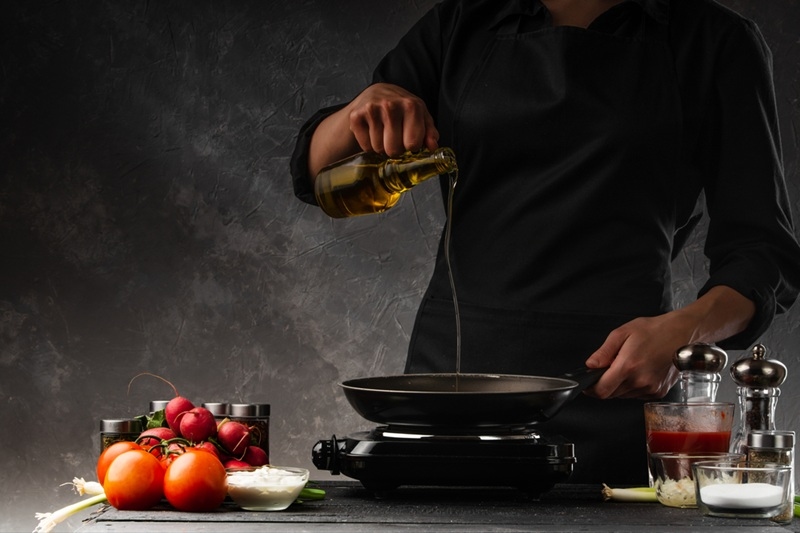
Making yummy fries at home requires effective oil management to keep the flavor fresh for your family. Many people do not know how to use oil filtration tools to clean the golden liquid after dinner. If you want to reuse cooking oil safely, you must learn the right steps for your stove. Let's break it down: clean oil makes the chicken crunchy and keeps the kitchen smelling nice, too. What this really means is that taking care of your oil saves a lot of money at the store. Every cook can become a pro at keeping their fryer happy and ready.
Keeping the heat at the right level is the most important part of cooking. When the oil gets too hot, it starts to smoke and turns dark brown. Good kitchen oil safety means you never leave the hot pot alone while the fire is on. Here's the thing: tiny bits of food left in the pan will burn and make the next meal taste funny. Using a large spoon to scoop out the crumbs helps the oil stay clear for longer. Most kitchen masters say that filtered oil can be used several times if you are very careful. A clean pot also prevents messy splatters that can burn your hands.
When the oil stays clean, the food cooks evenly and does not get too greasy. If the oil is old, it soaks into the bread, making it heavy. Deep-frying oil management is about watching the color and smell of the oil every day. If it smells like an old sock, it is definitely time to throw it away. What this really means is that your nose is a great tool for checking the quality of your grease. Keeping the oil away from water also stops it from popping and making a big mess on the floor.
Thought You’d Find This Useful: Ultimate Guide to Oil Temperature Control & Deep Frying Tips
After the oil cools, you can use a fine-mesh strainer to catch all the burnt bits. Some people use coffee filters because they are very cheap and work really well for this job. These oil filtration tools ensure that the liquid stays golden and pretty for the next batch of wings. Let's break it down: pouring the oil through a cloth removes the invisible particles that cause bad flavors. It is best to wait at least two hours so the heat does not melt your plastic tools. Once the oil looks like honey again, it's ready to go back into a jar.
Once the oil is filtered, it needs a cool and dark place to sit quietly. Light and heat are the biggest enemies of fresh cooking fat. Putting it in a glass jar with a tight lid keeps the air out. This helps you reuse cooking oil without it going rancid too fast. A kitchen pantry or a low cupboard is usually the best spot for your jars. If you keep it near the oven, the heat will ruin it, even if the jar is tightly closed.
Finding the right container is a big part of frying oil storage for many home cooks. Plastic jugs can sometimes change the taste if the oil is still a little bit warm. Glass or stainless steel is much better because it does not hold onto old smells. Make sure the containers are completely dry before pouring the oil into them. Water inside a jar can cause mold to grow, which is very bad for your tummy. Here's the thing: Labeling your jar with the date helps you remember how old it is.
A Closer Look at This: Best & Healthiest Oil for Deep Frying: Top Picks 2026
Safety should always come first when you are working with hot liquids in the house. Always keep a fire extinguisher or a box of baking soda nearby, just in case. Kitchen oil safety means you never throw water on a grease fire, because it can make the flames jump. If the oil starts to bubble too much, just turn the heat down a little bit. Let's break it down: a calm cook is a safe cook who does not get hurt. What this really means is that you must respect the stove's heat at all times.
Even with the best deep-frying oil management, the oil will eventually wear out. If the oil is very dark, like coffee, it is time to say goodbye. Foamy bubbles on the surface also indicate that the oil is broken and no longer cooks well. You should never pour waste down the sink drain, as it clogs the pipes. Instead, pour it into an old milk carton and put it in the trash bin. Some towns have special places that turn old grease into fuel for big trucks.
You can save a lot of money by reusing cooking oil for multiple meals. Oil used for potatoes can often be used for chicken later in the week. However, oil used for fish will always taste like fish, so keep it separate from the donut oil. Most experts sayyou can reuse the liquid about three or four times before it gets too old. Storing frying oil in the refrigerator can even extend its shelf life by a few weeks. Just make sure to let it reach room temperature before you start there again.
A clean deep fryer works much better than one with sticky grease on the sides. Washing the basket with soap and hot water removes the gunk that makes food stick. Checking the power cord for any rips is also part of good kitchen safety for your family. If the machine looks shiny, it will cook better and last longer. Taking ten minutes to scrub the pot makes a huge difference in the long run.
Dive Deeper: Cooking Basics Frying Tips, Oils, and Science for Beginners
Effective deep-frying oil management ensures your meals are always delicious and safe. By using the right oil filtration tools and following kitchen oil-safe practices, you can save money and reduce waste. Remember to store your oil in a cool place and replace it when it turns too dark.
You can use the oil three to five times if you filter it every single time. Always smell it first to make sure it does not have a sour or bitter scent.
The best place is a dark cupboard away from the stove and the sink. Keeping it in a cool spot helps prevent the oil from spoiling and keeps it tasting fresh.
A simple metal strainer combined with a paper coffee filter is the most effective way. This removes both the large crumbs and the tiny bits that cause burning.
No, it is very easy once you get into the habit of cleaning up after you eat. It only takes a few extra minutes to strain the oil and put it in a safe jar.
This content was created by AI