

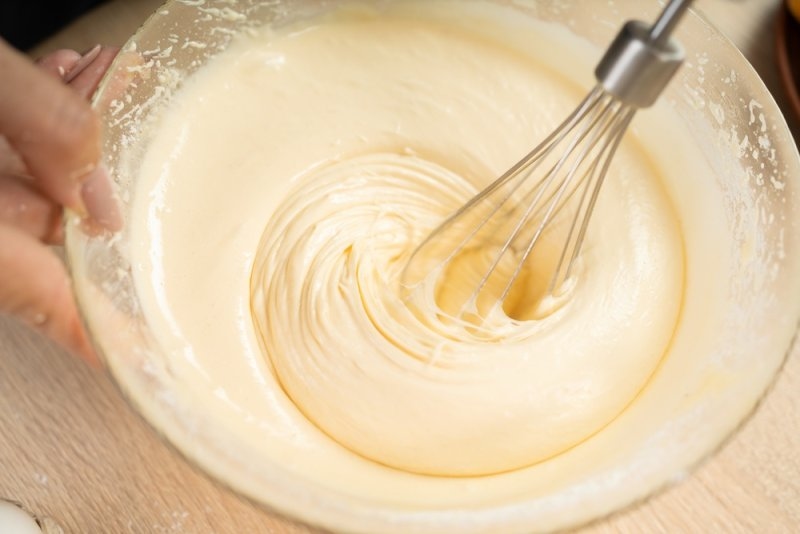
Stop ruining expensive cuts of meat and fresh vegetables with terrible, soggy breading. Frying food at home usually ends in a greasy disaster because people just throw wet flour into a pan and hope for the best. You cannot use the same wet mix for thick chicken breasts and delicate onion rings. Mastering the right types of batter changes everything. It dictates whether you bite into a loud, glass-like crunch or a chewy, oil-soaked sponge. You need to understand the chemical reactions happening when hot oil hits a cold liquid.
Top Pick: How to Prepare a Deep-Fried Mushroom Recipe for Crisp Bites?
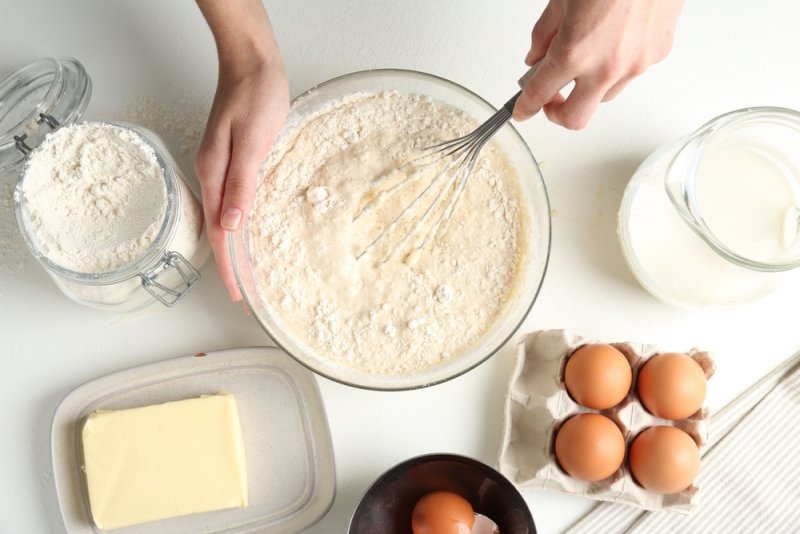
Throwing naked meat straight into boiling oil completely dries it out instantly. A solid coating acts as a brutal thermal shield against the grease. The intense heat cooks the outside shell into a rock-hard crust while trapping all the natural steam inside, keeping the actual food incredibly juicy and tender.
You cannot use heavy breading on everything. Thick fish fillets hold up perfectly under a massive, heavy crust, but dropping delicate zucchini into that same mix completely buries the flavor. You have to match the weight of the liquid mix to the food to guarantee a perfectly balanced, crispy bite.
Must Read: Deep Frying vs. Pan Frying: What Are the Key Differences?
Stop using basic tap water and stale flour. Hitting the perfect crunch requires specific chemical reactions, ice-cold liquids, and knowing exactly which different types of batter lock in the best flavor.
Cheap beer works best. The heavy carbonation forces the crust to puff up massively in the hot oil, making it perfect for heavy cod or thick onion rings.
Mixing ice water, egg yolks, and soft flour creates a violent reaction in hot grease, leaving a razor-thin, glass-like crunch that never feels heavy.
Acid in buttermilk breaks down raw chicken proteins. Dredging it through seasoned flour builds those massive, craggy flakes you see at fast-food joints.
Beating eggs and milk together creates sticky proteins that act like literal glue, locking dry breadcrumbs tightly to the food so they never fall off.
Swapping regular flour for heavy cornmeal gives southern fried catfish and green tomatoes a brutal, gritty crunch that holds up perfectly under heavy hot sauce.
Unflavored club soda bubbles expand violently in the fryer. It creates a super light, airy shell that shatters instantly the second you bite into it.
Mixing water, flour, salt, and baking powder forces the crust to puff outward instantly instead of lying flat, greasy, and chewy in the frying pan.
Wheat flour absorbs massive amounts of heavy grease. Gluten-free rice flour completely changes the game, leaving you with a paper-thin, incredibly dry shell that never gets soggy.
Alcohol evaporates incredibly fast. Dumping a shot of cheap vodka into your wet mix stops gluten from forming, guaranteeing the crust dries out instantly for maximum crunch.
Dipping chicken in wet buttermilk, then dry flour, then back into buttermilk builds an aggressively thick, armor-like shell that traps all the juices inside.
Knowing how to mix the bowl is useless if you ruin the actual cooking process. Forcing your types of batter for frying to crisp up requires you to control the exact environment inside the pan.
Guessing the heat guarantees a soggy mess. If the oil drops below 350 degrees, the food acts like a sponge and sucks up the grease. Buy a cheap laser thermometer and check it constantly.
Dropping ten pieces of chicken into the pot instantly kills the heat. The oil temperature crashes, and your heavy crust completely slides off the meat. Fry in small batches to keep the heat aggressive.
Putting hot fried food on a flat paper towel traps the escaping steam underneath it. That trapped steam instantly turns the bottom of your food into a wet sponge. Use a wire cooling rack instead.
Stop dropping expensive groceries into lukewarm oil and praying for a good result. Frying food requires actual technique and strict temperature control. Choosing the right types of batter dictates exactly how the final plate looks and tastes. Keep your liquids cold to stop gluten from ruining the crunch. Pat your meat completely dry so the crust actually sticks to the surface. Buy a digital thermometer and refuse to let the oil drop below 350 degrees.
Beer mixes work best for heavy fish and chips because the yeast puffs up massively in the oil. Tempura is the go-to for light vegetables since it stays razor-thin. Buttermilk is the absolute king for southern fried chicken because the heavy acid tenderizes the meat while creating insanely jagged, crunchy flakes.
You skipped the dry dredge step. If you throw a wet piece of chicken straight into a wet bowl, the coating slides right off in the hot grease. You have to pat the meat completely dry with a paper towel and dust it with plain flour first to create a sticky base layer.
You can, but it is a terrible idea. Fish destroys the flavor profile of the cooking oil. If you try to fry chicken or French fries in that same pot the next day, everything is going to taste exactly like old seafood. Throw the used fish oil in the trash.
Warm water activates the gluten inside the wheat flour immediately. Instead of forming a light, shattered crust in the hot oil, the coating turns into a heavy, chewy bread dough. You have to shock the hot grease with ice-cold liquid to get a real, shattering crunch.
Your heat is cranked way too high. If the oil hits four hundred degrees, the outside sugars burn black instantly while the thick meat inside stays completely frozen and raw. Drop the heat back down to 350 degrees so the inside actually cooks before the outside turns to charcoal.
This content was created by AI