

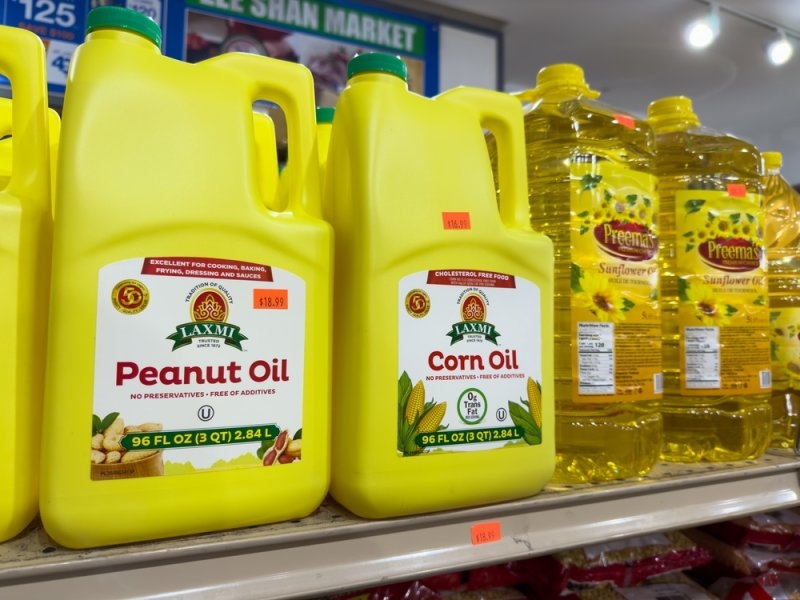
So which works better: peanut oil or vegetable oil? Well, it depends on what you’re making, how hot you’re cooking, and if you want a neutral oil or something with a hint of nuttiness. Refined peanut oil is a go-to for frying since it handles high temps and keeps things mild in flavor. Vegetable oil covers a broad range—it’s usually made from soybean or other plant oils and fits in for baking, sautéing, or frying.
Is there a clear winner? Not exactly. It really depends on how you like to cook, what flavors you enjoy, and how much you want to spend. Choosing between peanut oil and vegetable oil is just about picking the best fit for what you’re making. Peanut oil handles high heat well and brings a subtle, nutty taste. Vegetable oil is versatile, always neutral, and often easier on your wallet.
Refined peanut oil is a strong frying oil because it can tolerate high temperatures without breaking down as quickly as less heat-stable fats. It also has a mild nutty character, though refined versions are much less pronounced than unrefined peanut oil.
For peanut oil cooking, that combination makes it useful for stir-frying, pan-frying, and deep frying.
Vegetable oil is often the easier everyday option. Its neutral flavor does not compete much with other ingredients, which is useful for cakes, roasted vegetables, sauces, and basic skillet cooking.
Because “vegetable oil” can refer to different plant oils, check the ingredient label rather than assuming every bottle has exactly the same fat profile or performance.
Must Read: How to Choose the Best Oil Thermometer for Frying Perfectly
Smoke point matters when choosing a high heat cooking oil, but it is not the only factor. The oil smoke point tells you roughly when visible smoke begins, signaling that the oil is becoming too hot. Repeated overheating is best avoided.
In a peanut oil vs vegetable oil smoke point comparison, refined peanut oil is generally around 450°F, while many refined vegetable oils are also around 400–450°F. That makes both useful frying oil choices.
For peanut oil vs vegetable oil for frying, peanut oil has one clear advantage for cooks who like its mild flavor. People use it all the time for frying things like chicken or tempura because it stays cool at those high temps and helps food turn out nice and crispy.
It can also be reused in some frying situations when properly strained, cooled, stored, and not overheated repeatedly.
Vegetable oil is practical when you want a versatile high heat cooking oil without adding noticeable flavor. It works for shallow frying, sautéing, roasting, and baking.
For many American kitchens, that versatility is the main selling point. You can reach for the same bottle across several recipes.
The question of peanut oil vs vegetable oil for deep frying usually comes down to flavor, cost, availability, and dietary needs. Both can handle deep-frying temperatures when the specific product is appropriate for that use.
For peanut oil vs vegetable oil for deep frying, refined peanut oil can produce crisp results with a subtle flavor. Vegetable oil can be equally practical, particularly when you are cooking foods where you want the oil to stay in the background.
For classic deep-frying jobs, either can work. Peanut oil is attractive when you want excellent heat performance and a slightly richer character. Vegetable oil is often the simpler budget choice for larger batches.
If frying several pounds of food for a party, price matters. So does the oil's ability to remain stable during the cooking process.
Top Pick: How to Safely Reuse Frying Oil: Tips for Effective Use
The peanut oil vs vegetable oil taste difference is noticeable mainly when the oil contributes flavor. Refined peanut oil tends to have a mild nutty quality, while standard vegetable oil is generally neutral.
That difference can be useful.
Peanut oil can suit Asian-inspired stir-fries, fried foods, and dishes where a subtle roasted note works with the other ingredients. Unrefined peanut oil has a stronger peanut character and is better treated as a finishing or flavor-focused oil rather than an all-purpose frying choice.
Vegetable oil is useful when you want the seasoning, vegetables, meat, or batter to dominate. It is especially convenient in baking, where a strong oil flavor could distract from vanilla, chocolate, spices, or fruit.
That makes vegetable oil cooking easy to fit into recipes without changing the intended taste.
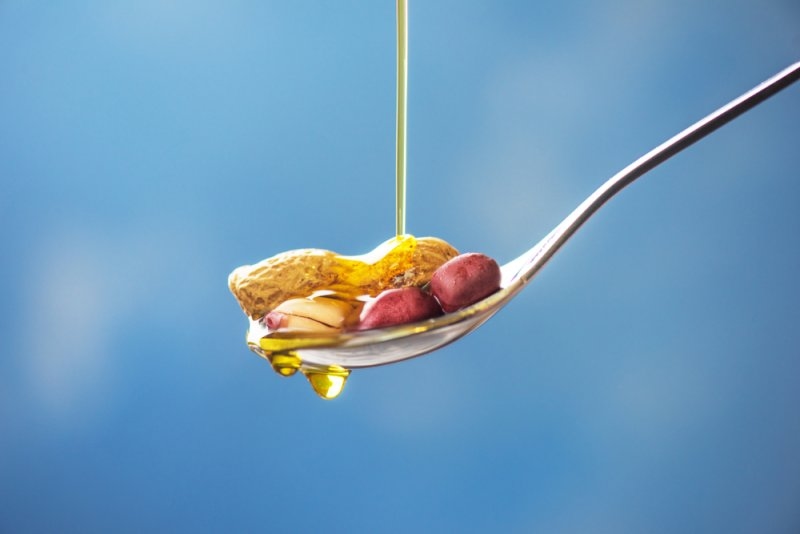
A useful peanut oil vs vegetable oil health benefits comparison should avoid calling either oil simply “healthy” or “unhealthy.” Both are sources of unsaturated fats, but the exact nutritional profile depends on the oil used.
Peanut oil contains mostly monounsaturated and polyunsaturated fats. Many vegetable oils, particularly soybean-based versions, contain substantial polyunsaturated fat.
Portion size still matters.
Is peanut oil healthier than vegetable oil? Not automatically. Peanut oil may have a favorable fat profile, while the answer changes depending on what “vegetable oil” actually contains.
Look beyond marketing language. Check the Nutrition Facts panel and ingredient list, then consider how frequently the oil is used and whether foods are being deep-fried regularly.
In many recipes, yes. Can you substitute peanut oil for vegetable oil? Usually, a one-to-one swap works for sautéing, frying, roasting, and many baking recipes.
The main difference is flavor. Peanut oil may add a faint nutty note, especially if the product is not highly refined. Allergies change the equation. If anyone eating the food has a peanut allergy, do not make the substitution casually.
Yes, in many cases you can use vegetable oil instead of peanut oil. This is particularly easy when the recipe needs a neutral cooking fat rather than peanut flavor.
If you want that same crispiness but don’t need the flavor, go for a vegetable oil made for frying. Just check the bottle for heat recommendations, and you’ll be fine. The taste might shift a little, but you don’t have to change how you cook. The method stays the same.
Here is a quick side-by-side cooking oil comparison for common kitchen situations.
| Factor | Peanut Oil | Vegetable Oil |
|---|---|---|
| Flavor | Mild, slightly nutty when noticeable | Usually neutral |
| High-heat use | Excellent for refined versions | Usually very good |
| Deep frying | Strong choice | Strong choice |
| Baking | Works, but may affect flavor | Very convenient |
| Stir-frying | Excellent | Excellent |
| Everyday versatility | High | Very high |
| Allergy concern | Important for peanut-allergic households | Depends on ingredients |
| Best use | Frying and high-heat dishes | General cooking and baking |
For most U.S. kitchens, vegetable oil wins on convenience. Peanut oil wins when frying performance and its particular flavor profile are useful.
The best oil for cooking is not necessarily the most expensive bottle. Start with the recipe. If you are frying chicken or making a large batch of crispy food, refined peanut oil is a strong option. If you’re making pancakes, muffins, roasting veggies, or just sautéing something simple, vegetable oil is often your best bet.
Easy to use and subtle enough not to overpower the taste of your dish.
Before you choose an oil, here are the following points to remember:
Also Read: Canola Oil vs Vegetable Oil: Best Option for a Healthy Diet
For high heat cooking, both are solid as long as you’ve got the right product and keep an eye on the temperature. If you’re baking or just whipping up dinner, vegetable oil is usually the easier option. If you’re going all-in with deep frying, consider peanut oil.
Just remember—no oil is going to make up for cooking habits that aren’t so great. Keep your portions reasonable, don’t overheat the oil again and again, and choose the kind that actually works for your recipes.
Most of the common cooking oils can be stored in a cool and dark pantry instead of in a refrigerator. Some oils may become cloudy or thick in cold storage, but this doesn't necessarily imply spoilage.
An unpleasant stale, paint-like, or unusually bitter smell can indicate that oil has gone rancid. If the odor or flavor seems clearly off, replacing the bottle is the safer choice.
Some frying oil may be filtered and kept for re-use, although the quality of the oil decreases with each heating. If oil appears too dark, or if it smells rancid, foams too much, or if there is significant burnt residue, discard the oil.
No. – Do not pour oil down the drain where it can build up and cause flooding and clogging. When you’re done cooking, let the used oil cool off. Pour it into a container, and get rid of it according to your local rules—don’t just pour it down the drain.
Yes, it does. Even if you haven’t opened the bottle, oil gets old and goes rancid over time. Store it somewhere cool and dark, pay attention to the expiration date, and always give old oil a sniff before using it. If it smells off, toss it.
This content was created by AI