

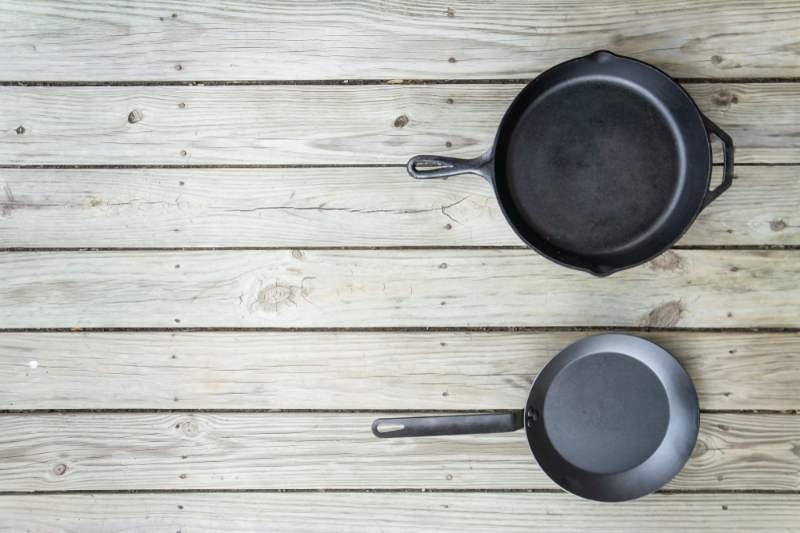
Choosing either of these two materials, cast iron or stainless steel, can prove to be difficult for many people since they are quite common in household kitchens. Both these materials are highly durable and effective but perform differently in cooking.
Cast iron pans are built for retaining heat for an extended period of time; thus, they are ideal for slow cooking and searing. Stainless steel pots provide better heat control and can be used for different types of cooking.
There are many aspects that should be taken into account when comparing cast iron vs stainless steel cooking utensils. Some of those are heat conductivity, maintenance, types of cooking, and others. In order to make the right choice, one must consider their preferences.
The main difference in these cooking pots is in their heat capacity.
Cast iron cooking is recommended in recipes that call for prolonged exposure to high temperatures. Cast iron takes a long time to heat up and retains heat extremely well. Thus, cast iron cookware is best suited for searing meat, frying food, baking, and dishes that require heat maintenance for a long time.
A significant cast iron benefit is its ability to keep the food at the same temperature even after pouring cold ingredients into it. That way, food is provided with the opportunity to gain more flavor and color.
Stainless steel cooking, in turn, is more focused on temperature control and flexibility. Stainless steel heats up and cools down very fast, which makes it possible to quickly adjust temperatures. This pot is great for vegetables' sauteing, sauce preparation, browning ingredients, and meals that need temperature adjustments.
If you compare cast iron vs stainless steel for searing, the former usually wins in terms of heat retention. At the same time, stainless steel can also do a good job while searing food.
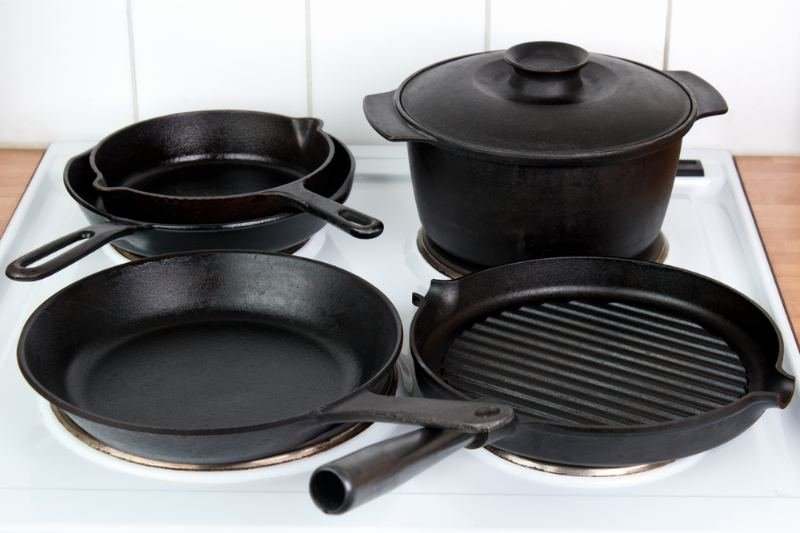
There are many reasons behind the choice of cast iron cookware by many homemakers. Some of the major cast iron benefits are:
A good quality cast iron pan may survive for decades. With repeated seasoning, the cooking surface of cast iron gets smoother. On the other hand, it needs more maintenance than any other material. Proper drying and seasoning are required in order to avoid rusting. Moreover, it is heavy in weight.
This may become difficult for those people who have a preference for light cookware.
Also Check: Digital vs Analog Meat Thermometer: Which Is Better?
Stainless steel cookware is preferred because of its strength, versatility, and ease of maintenance. Some of the main advantages of stainless steel include:
A stainless steel pan is good for cooking all kinds of meals because it can be used to sauté, fry, make soups, and sauces.
Stainless steel does not have to be seasoned as compared to cast iron pans. In addition, stainless steel is good with acidic foods because it does not influence food taste. However, beginners may have to practice because food will stick if the pan is not hot enough when cooking begins.
Regarding cast iron vs stainless steel cookware for cooking food, there are different advantages for each type when performing particular functions.
As far as cast iron vs stainless steel for frying, cast iron is preferred since it helps to keep oil hot. This pot is good for those dishes that need constant heating.
When it comes to cast iron vs stainless steel for high-heat cooking, it will be better represented by cast iron pots since they can endure high heat and keep it for some time. Cast iron pots are ideal for grilling, roasting, and intensive searing.
As far as the everyday use of cast iron vs stainless steel for cooking is concerned, stainless steel might be preferable since it is convenient for different meals and does not need much care.
Must Check: Which are the 7 Best Cast Iron Skillets to Buy in 2026?
A lot of cooks who are just starting out find themselves confused when deciding between cast iron and stainless steel for their kitchen setup.
For beginners, stainless steel is an easy option since it needs very little maintenance and has a lot of flexibility. There is no need to be concerned about seasoning, rusting, or even the process of cleaning. Learning how to cook with cast iron is a skill that can make one a better cook as well. This is because one learns how to handle temperature and heat management.
When deciding between cast iron vs stainless steel for beginners, this will depend on the patience and preference of the cook.
The choice between the two materials—cast iron or stainless steel—is dependent on your cooking habits and kitchen needs. The main advantage of using cast iron cookware is that it provides excellent heat retention and durability, while the main advantage of using stainless steel cookware is that it provides versatility and convenience.
Both materials can work very well depending on how you want to cook. Cast iron would work well with high-heat cooking, frying, and searing. The stainless steel cookware would work better for regular cooking because it is versatile and convenient.
Either one can last for many years if cared for properly. The most enduring type is cast iron cookware because it can last for many generations when seasoned and taken care of appropriately, while the other is also durable.
In this regard, perhaps stainless steel suits those chefs who need convenience, versatility, and low-maintenance cooking vessels. This metal doesn’t need seasoning and is suitable for all types of cooking methods, while cast iron stays a great material for intensive heat cooking.
It all depends on what you want and the kind of cooking that you normally do. If you want pots that hold heat well, go for cast iron; otherwise, get stainless steel.
Cast iron requires more maintenance because it needs to be seasoned and kept dry to prevent rusting. Stainless steel is much easier to maintain, however, because it does not need to be seasoned.
This content was created by AI