

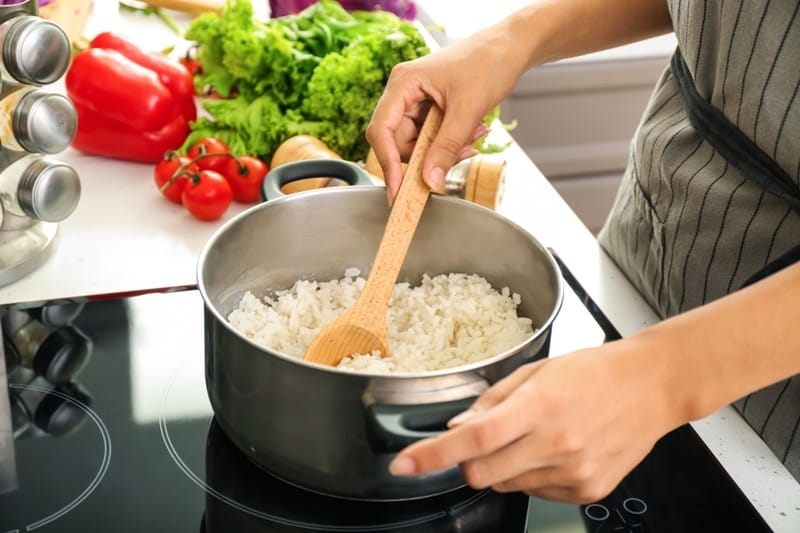
Cooking rice on the stove is often considered a basic cooking method, yet many people have experienced soggy or dry rice. Rice responds more to the heat and timing than to the method. Your cooking experience will explain how to cook rice on the stovetop, with easy-to-follow procedures anyone can use in an everyday kitchen. This guide to cooking rice focuses on stovetop and white-rice methods, as well as creating an ideal rice meal for everyday use.
Once you start cooking rice on the stovetop, you will quickly learn that it's all about balancing the three basic components: water, heat, and resting time. Each of these components has its own significance, and when you work on it, your rice will be soft, fluffy, and ready for any meal.
There are numerous reasons why many families continue to prefer the stovetop method for cooking rice over rice cookers. There is something familiar and satisfying about cooking rice on the stovetop, and when the wafting and the comforting aroma fill
Benefits of stovetop rice include:
For stovetop white rice meals, this method remains reliable. Learning how to cook rice on the stove this way builds confidence and taste at the same time.
Good rice starts with simple ingredients. No extra items needed.
The quality of rice matters. Fresh grains help make the perfect rice recipe. Old rice may cook unevenly, even with proper rice cooking instructions.
Before the heat starts, the right tools help avoid mistakes.
These tools support even heat and steam. When learning how to cook rice on the stove, a tight lid matters more than most people think.
Helpful Article: Master the Kitchen: Essential Cooking Tips for Beginners
Rinsing rice helps remove surface starch. This step improves the feel of stovetop rice.
How to rinse:
Clearer water means less stickiness. These rice-cooking instructions improve the stovetop white rice result without adding effort.
Water ratio decides success or failure. Guessing often leads to mush.
For white rice stovetop, follow this:
This ratio suits most rice-cooking instructions for stove-top cooking. Slight adjustments can be made later, but this works for daily meals.
Add rice and water to the pot. Place it on medium heat.
Steps to follow:
Avoid high heat. Fast boiling breaks grains. Learning how to cook rice on the stove means watching the flame, not rushing the process.
Once boiling, lower the heat and cover the pot.
Key simmering tips:
Let the rice cook for 15 to 18 minutes. These rice-cooking instructions allow steam to evenly cook the grains. This step defines the perfect rice recipe.
After cooking, turn off the heat. Keep the lid closed.
Resting benefits:
Let the rice rest for five minutes. Fluff gently with a fork. This final step completes the proper way to cook rice on the stove.
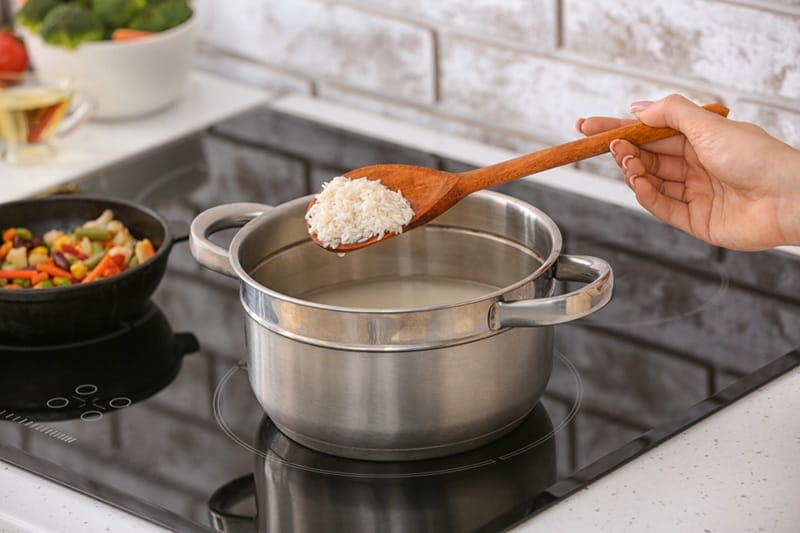
Not all rice is the same, and water ratios can shift a bit. The rice-cooking instructions below are primarily for long-grain white rice, such as Jasmine or Basmati. It’s the most common type.
Mistakes happen often, even with simple food.
Watch for these problems:
Avoiding these mistakes improves the quality of stovetop rice and keeps the perfect rice recipe consistent.
Rice texture depends on how it will be eaten.
For softer rice:
For firmer rice:
These adjustments still follow the core rice-cooking instructions.
Plain rice pairs well with many foods. It works with vegetables, beans, sauces, and meats.
Popular uses include:
When white rice is done right, it pairs well with many meals.
Leftover rice needs proper care.
Storage tips:
Good storage keeps stovetop rice safe and fresh.
Dry rice loses flavor. Reheating needs moisture.
Reheating tips:
These steps protect the perfect rice recipe even the next day.
This stovetop method works because it respects heat control and steam. Water absorbs slowly while grains stay intact. The process uses experience passed through home kitchens. Learning how to cook rice on the stove this way builds trust in simple cooking.
Related Article: The Secret to Perfect Restaurant-Style Fried Rice at Home
Learning to cook rice on the stove becomes simple with even heat and precise cooking instructions. This perfect rice recipe helps stovetop rice turn soft and fluffy. With small care and patience, white rice stovetop meals become reliable, tasty, and comforting every single time.
Yes, for most everyday meals. Rinsing removes surface dust and prevents clumping. The only exception is if you want a very sticky texture, like for some desserts.
Steam is the key cooking agent once you lower the heat. Every time you lift the lid, you release the steam, lowering the temperature inside the pot. This leads to unevenly cooked rice. Trust the timer.
A bigger pot can help. Also, as soon as you see it reach a full boil, immediately reduce the heat to low and cover it. A heavy-bottomed pot also helps control the boil.
Absolutely. Just use a pot large enough so the rice and water only fill it about halfway. This gives plenty of room for boiling without a mess. Keep the same ratio: double the rice and double the water.
This content was created by AI