

Thai basil chicken noodles are one of those meals that check every box. They are fast, flavorful, filling, and flexible enough to fit both weeknight dinners and casual hosting. This dish brings together tender chicken, noodles that soak up sauce properly, and the sharp aroma of Thai basil that defines the entire plate.
If you are looking for a Thai chicken noodle recipe that does not feel watered down or overly complicated, this one gets it right. It is also a practical easy Thai noodle stir fry that delivers bold flavor without needing hard to find ingredients.
Thai basil chicken noodles sit at the intersection of comfort food and bold Southeast Asian flavors. You get the familiarity of noodles with the intensity of a spicy chicken noodle stir fry. The balance is what makes it work.
Key reasons people keep coming back to this dish:
As an Asian chicken noodle dish, it borrows core techniques from Thai stir frying while staying approachable for home cooks.
Top pick: Cooking Basics Frying Tips, Oils, and Science for Beginners
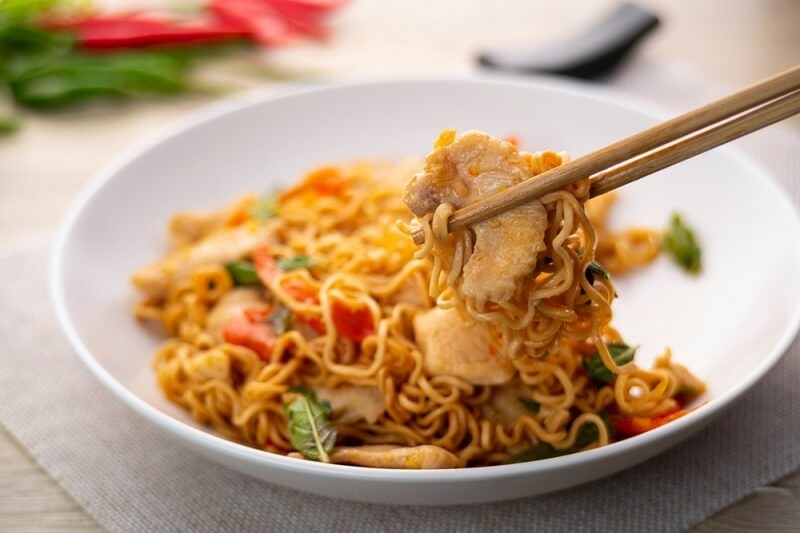
Thai basil chicken noodles are not just noodles with basil added at the end. The herb plays a structural role in the flavor. Thai basil has a peppery, slightly licorice taste that holds up to heat and spice. That is why it is used in classic Thai dishes like pad krapow.
Unlike Italian basil, Thai basil does not turn bitter quickly when cooked. This makes it ideal for high heat cooking and explains why it works so well in a Thai basil chicken recipe.
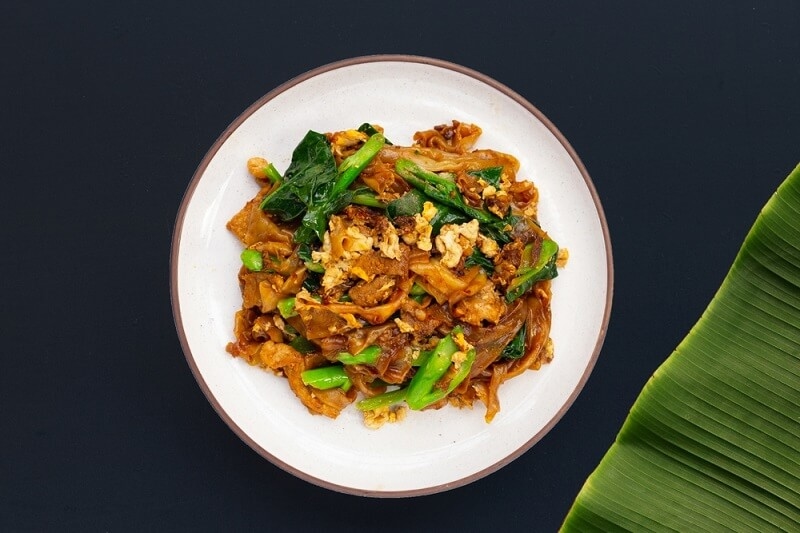
Many Thai noodle dishes focus on sweetness or tang. Thai basil chicken noodles lean savory and spicy. Compared to pad thai or pad see ew, this dish feels sharper and more aromatic.
If you enjoy dishes with chilies, garlic, and herbs, this spicy chicken noodle stir fry will suit your palate better than sweeter noodle options.
You do not need a long ingredient list, but quality matters.
According to USDA guidelines, chicken should be cooked to an internal temperature of 165°F for safety.
Any noodle that can handle high heat works for an easy Thai noodle stir fry.
These build the base flavor before anything else hits the pan.
This combination shows up in many traditional Thai stir fries and is supported by multiple Thai cooking references, including recipes from established Asian food creators like Tiffy Cooks.
This ingredient defines the dish and should never be skipped in a proper Thai basil chicken recipe.
Don’t Miss: A Complete Guide on How to Make Tasty Food at Home?
This method follows classic stir fry principles used in Thai kitchens.
Stir fries move fast. Slice chicken evenly. Mix sauce ahead of time. Wash and dry Thai basil leaves. Cook noodles and set aside.
Toss chicken with soy sauce, oyster sauce, and black pepper. Even a short rest improves flavor.
Heat oil in a wok or wide pan. Add garlic, ginger, shallots, and chilies. Stir until fragrant but not burnt.
Add chicken and spread it out. Let it sear before stirring. This adds flavor and prevents steaming.
Bell peppers, green beans, or carrots work well. Keep them crisp for texture.
Add noodles, pour in sauce, and toss quickly. The noodles should absorb the sauce without becoming soggy.
Add Thai basil last. Toss for 30 to 60 seconds until just wilted.
The result is a balanced Thai basil chicken noodles dish that tastes intentional, not rushed.
This dish works because it balances four things:
That balance is why this Asian chicken noodle dish feels bold but not overwhelming.
You can adjust without losing the soul of the recipe.
These still work within a Thai chicken noodle recipe framework.
Reduce chilies or remove seeds for a milder spicy chicken noodle stir fry.
Explore More: Best Chicken Marinade Recipes for Frying, Grilling, Roasting
This is not a restaurant only dish. It is practical.
That is why Thai basil chicken noodles continue to show up in home kitchens and food blogs focused on real cooking.
Some of the frequently asked questions are:
Chow mein and rice noodles work best because they hold sauce well. Egg noodles also work if cooked just until tender.
Yes. Reduce the number of Thai chilies or remove the seeds. The dish will still have flavor without heavy heat.
It is a Thai inspired Asian chicken noodle dish. The technique and flavors come from Thai cooking, even if ingredients are adapted for home kitchens.
This content was created by AI